Blog

  • Optimizing Dockworker Efficiency Through PMANET

    Optimizing Dockworker Efficiency Through PMANET

    Disclaimer:

    This article is strictly educational and informational. It does not provide financial advice, services, or instructions for transactions.
    Introduction

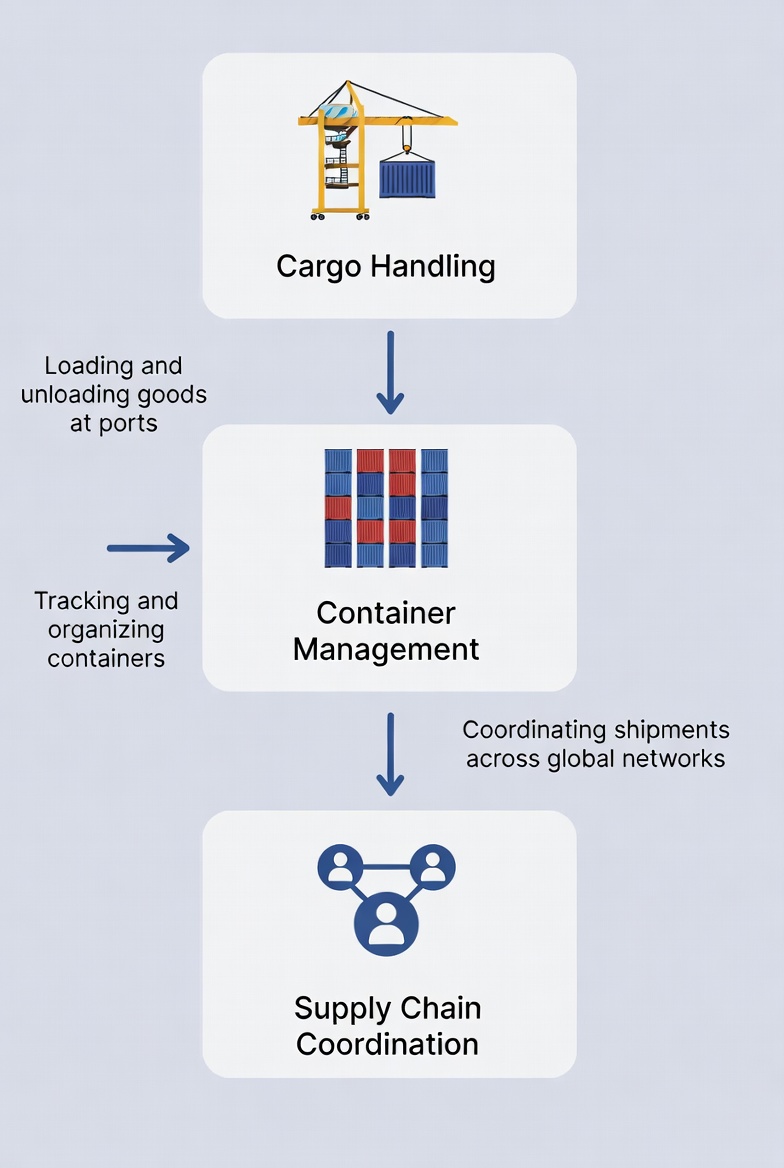
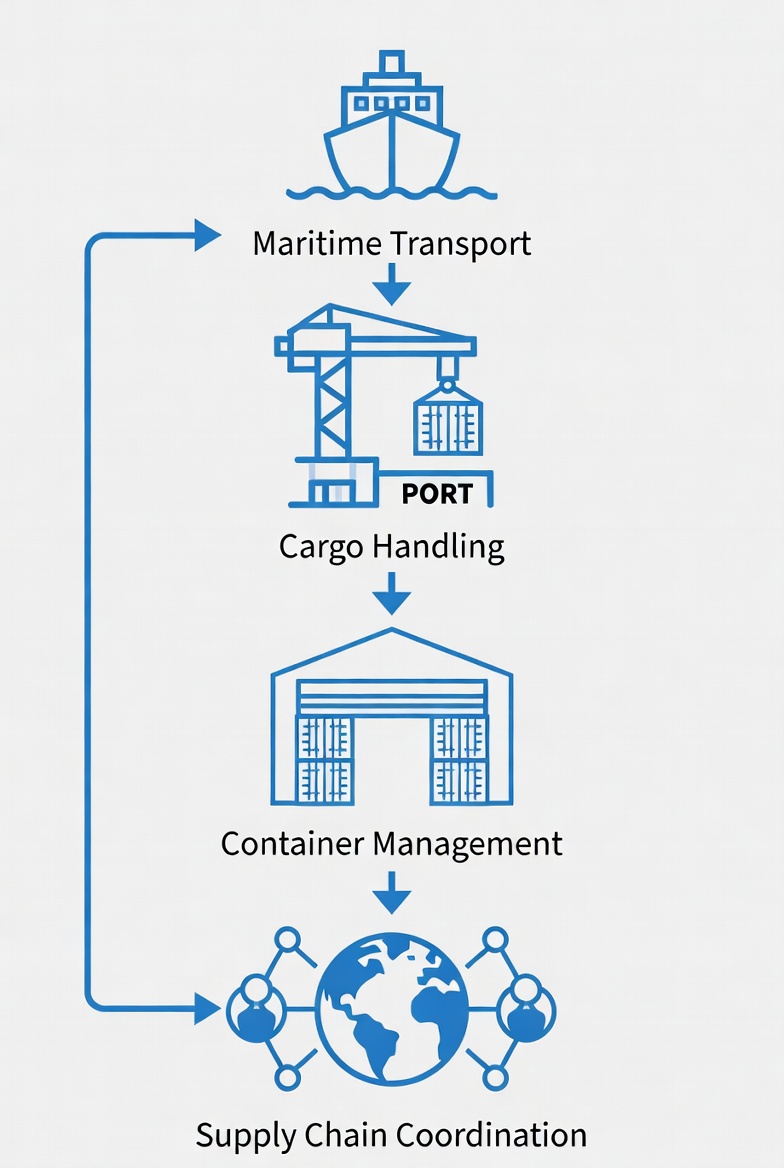
    In contemporary maritime operations, digital platforms play a crucial role in coordinating tasks, monitoring safety, and enhancing productivity. PMANET, a networked system for port professionals, facilitates these objectives by connecting dockworkers, supervisors, and administrative staff. This post examines PMANET features, the dockworker portal interface, and practical strategies for efficient utilization, strictly from an educational perspective.

    Key Features of PMANET

    PMANET serves as an integrated platform that supports multiple operational functions:

    • Shift Coordination: Enables alignment of work schedules across terminals, minimizing downtime or overlap.
    • Resource Sharing: Provides access to procedural guides, safety manuals, and instructional content.
    • Real-Time Alerts: Notifies dockworkers about operational changes, safety advisories, or procedural updates instantly.

    By centralizing these functions, PMANET allows staff to stay informed and prepared without relying on external services.

    Using the Dockworker Portal Within PMANET

    The dockworker portal is a personalized interface within PMANET that enhances workflow management:

    • Profile and Certification Updates: Ensures records of safety training and professional qualifications are current.
    • Training Modules: Offers a structured approach to completing required education and reviewing safety protocols.
    • Communication Channels: Secure messaging allows timely exchange of operational instructions or clarifications with supervisors.

    Proper navigation of the dockworker portal supports both individual performance and team coordination.

    Enhancing Operational Efficiency

    Integrating PMANET with daily routines can improve port operations through:

    1. Scheduled Alerts: Dockworkers can receive automated reminders for shifts or mandatory training sessions.
    2. Resource Accessibility: Easy access to updated safety and procedural documents reduces errors during complex tasks.
    3. Coordinated Response: Real-time notifications enable swift action during operational adjustments or emergencies.

    These practices help create a structured work environment where information is consistently available and easy to follow.

    Comparing Digital Platforms

    While PMANET specializes in port operations, other neutral digital tools may serve similar educational purposes:

    • Generic workplace management systems can handle scheduling and notifications but often lack maritime-specific content.
    • Document-sharing networks support procedural access but may not integrate shift coordination or real-time safety alerts.

    Understanding these distinctions highlights the specialized advantages of PMANET and dockworker portals for maritime operations.

    Conclusion

    PMANET, paired with the dockworker portal, provides a professional framework for organizing tasks, training, and safety compliance in port operations. Familiarity with these platforms enables dockworkers to navigate complex environments efficiently and safely.

    Final Disclaimer

    This article is strictly educational and informational. It does not provide financial advice, services, or instructions for transactions.

  • Efficient Dock Operations: Navigating the PMA Portal

    Efficient Dock Operations: Navigating the PMA Portal

    Disclaimer:

    This article is strictly educational and informational. It does not provide financial advice, services, or instructions for transactions.

    Introduction

    Modern port operations rely heavily on digital tools to coordinate workflows and maintain safety standards. One such tool, the PMA portal, serves as an informational hub for dockworkers, supervisors, and maritime administrators. This article explores the functionalities of the PMA portal, the dockworker portal access, and how these systems contribute to streamlined operations. The purpose is to inform maritime professionals and students about these digital resources without promoting services or financial decisions.

    Understanding the PMA Portal

    The PMA portal is designed to centralize information relevant to port operations. Its primary functions include:

    • Work scheduling and shift tracking – Dockworkers can view upcoming assignments and manage shift notifications efficiently.
    • Safety alerts and updates – The portal provides real-time notifications about operational changes or safety advisories.
    • Documentation and training resources – Users can access manuals, safety guidelines, and procedural checklists.

    The PMA portal serves as a digital reference, ensuring that dockworkers have timely access to essential information.

    Navigating the Dockworker Portal

    The dockworker portal, a subset of the PMA portal, focuses on individual operational needs. Key features include:

    • Profile management – Workers can update personal information and certifications.
    • Training progress tracking – Allows individuals to monitor completion of safety modules and professional development courses.
    • Communication tools – Enables secure messaging between supervisors and staff without external platforms.

    Understanding the interface improves efficiency and reduces errors during daily operations.

    Integration with PMANET

    PMANET complements the PMA portal by providing a networked environment for resource sharing and communication. Its features include:

    • Document synchronization – Updates to safety protocols and operational guides are mirrored across the network.
    • Shift coordination – PMANET helps align schedules between multiple terminals, reducing overlap or miscommunication.
    • System notifications – Automatic alerts for procedural updates or emergency instructions keep all users informed.

    This integration ensures consistent information flow across different port locations, enhancing overall operational efficiency.

    Practical Insights for Dockworkers

    Using these portals effectively requires understanding both functionality and context. For example:

    1. Regularly checking the dockworker portal for safety updates can prevent operational disruptions.
    2. Leveraging the PMA portal to review training materials before a shift ensures compliance with standard procedures.
    3. Monitoring notifications via PMANET supports timely responses to logistical changes across terminals.

    By incorporating these practices, dockworkers and supervisors maintain a safer and more organized environment without relying on external services.

    Conclusion

    The PMA portal, dockworker portal, and PMANET collectively provide a comprehensive digital framework for modern port operations. Awareness of these tools and their proper use supports efficient, safe, and coordinated workflows, fostering a professional maritime environment.

    Final Disclaimer

    This article is strictly educational and informational. It does not provide financial advice, services, or instructions for transactions.